Vacant vs. Occupied Home Staging: Which Does Your Listing Need?
Every seller we meet asks some version of the same question. Do I need furniture brought in, or do I work with what I have? The answer depends on one thing: whether anyone still lives in the home. Vacant home staging and occupied home staging solve different problems, and knowing which one fits your listing makes the whole process calmer.
As the year winds down and the conversations about January listings begin, this is a good moment to sort it out. Here is how we think about each approach across Westchester and Lower Fairfield.
Vacant Home Staging: Giving Empty Rooms a Purpose
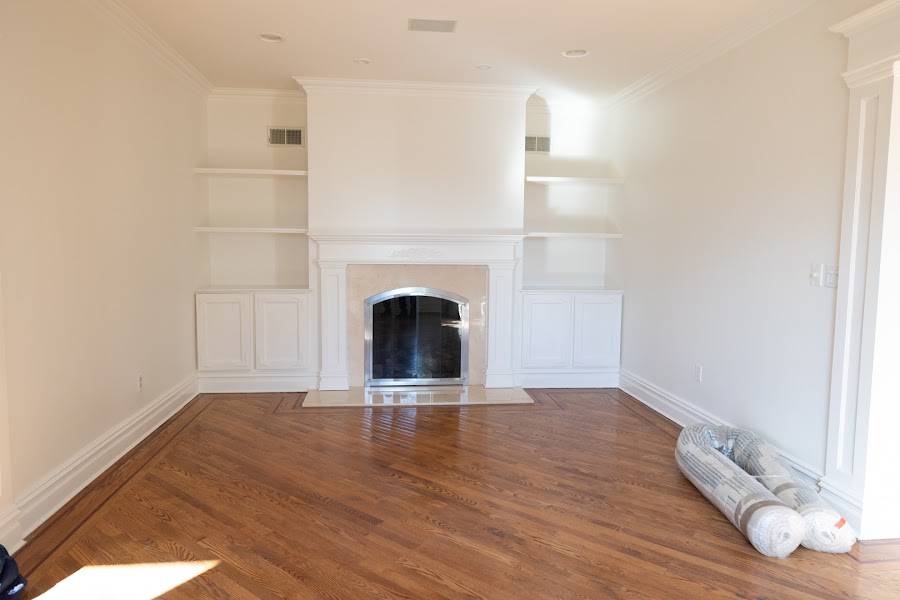
Empty rooms are harder for buyers to read than most sellers expect. Without furniture, there is nothing to show scale. A room can look smaller than it is, or larger than it is, and buyers rarely give it the benefit of the doubt. They also struggle to answer the quiet question behind every showing: what is this space for?
Vacant home staging answers that question. We bring in furniture, art, lighting, and accessories from our own inventory and place them with intention, so buyers can see how the home lives. A living room gets a clear conversation area. A bonus room becomes an office or a reading nook. The dining space reads as a place to gather, not an echo.
It also shapes the listing photos, which is where most buyers meet a home first. Furnished rooms show flow, balance, and focal points in a way an empty room cannot. A move-out in Rye or a relocation from White Plains is a typical example: the sellers are already gone, the house is quiet, and the first impression is entirely ours to create.
Occupied Home Staging: Editing a Home You Still Live In
Occupied home staging is a different job. The home already has character, furniture, and a family's history in it, and the work is mostly about selective editing. We look at the home the way a buyer will, then guide attention toward its strengths.
That usually means reducing, rearranging, and refining. Personal collections are edited down so buyers can picture their own lives in the rooms. Furniture is repositioned to open sightlines and improve flow. Pieces that are working stay. Pieces that are crowding a room move out, and a few well chosen accents are added where a space needs a focal point.
This is the side of staging sellers tend to worry about, because it can feel personal. It is not. It is strategic, and it is built on buyer perception rather than anyone's taste. Most of the time, sellers in Chappaqua or Larchmont tell us the edit felt like a relief, since it was also the first step toward packing.
How to Choose Between Vacant and Occupied Staging
A few questions usually settle it.
Where are you in the move? If the house is empty or will be before you list, vacant home staging is the natural fit. If you are living in the home through the sale, occupied staging works around your daily life.
What does the layout ask of buyers? Open plans, odd corners, and rooms with no obvious purpose benefit from furniture that defines them. Well defined rooms often need only a lighter touch.
How will the home be seen online? If the photos will carry the first showing, think about what each room will say at a glance.
What does the season ask? Winter listings are often shown in short daylight, sometimes at a late afternoon appointment when the sun is already low. Warm, layered lighting and edited rooms help in either case. Many homes also fall in between: partly emptied, or with some furniture heading to a new address. A property specific plan can mix both approaches room by room.

Planning Ahead for a January Listing
If a spring sale is in your plans, the work to prepare begins now. A home staging consultation before the holidays gives you a clear plan with priorities and timing, so paint, repairs, and staging fall into place without a scramble in March. Our guide to home staging cost in Westchester explains how occupied, vacant, and consultation-only projects are priced, and how Pay-at-Close can remove the upfront cost: no payment before the sale, no credit impact, about 1 percent per month, settled at closing.
Agents tend to ask the same question from their side of the table, and we answered it in when listing agents should call the stager. If you are working with an agent, it is a useful read for both of you.
You can also hear from past clients on our testimonials page, and see how our psychology driven approach guides every choice, from the first walk-through to final styling.
Preparing a Listing? Let's Build the Plan
Not sure which approach your home needs? That is exactly what a consultation is for. Explore our services, then schedule a consultation and we will walk through the home the way a buyer would, then give you a clear plan for what will make the greatest impact. Pay-at-Close is available for sellers who would rather not invest upfront.
Visit stunningspacesny.com or call 914-434-5052. We stage for the way buyers think, and we would love to help you list with confidence.